



Rechtliche Unterstützung für Opfer von in ganz Italien.
Bank-Phishing, SIM-Swap-Betrug, nicht autorisierte Überweisungen, Romance Scams, fingierte Online-Verkäufe und Betrug über soziale Medien erfordern unterschiedliche rechtliche Strategien. SP Law unterstützt Geschädigte bei der Prüfung der im Einzelfall tatsächlich verfügbaren Schritte. Geht es um nicht autorisierte Banktransaktionen oder Pflichten eines Finanzintermediärs, prüfen wir die Beanstandung gegenüber der Bank, die vorherige Beschwerde und, soweit die Voraussetzungen erfüllt sind, eine Beschwerde beim italienischen Banken- und Finanzschlichter (ABF). In anderen Fällen prüfen wir zivilrechtliche Ansprüche und strafrechtliche Schritte, die zum Schutz des Geschädigten konkret sinnvoll sein können.
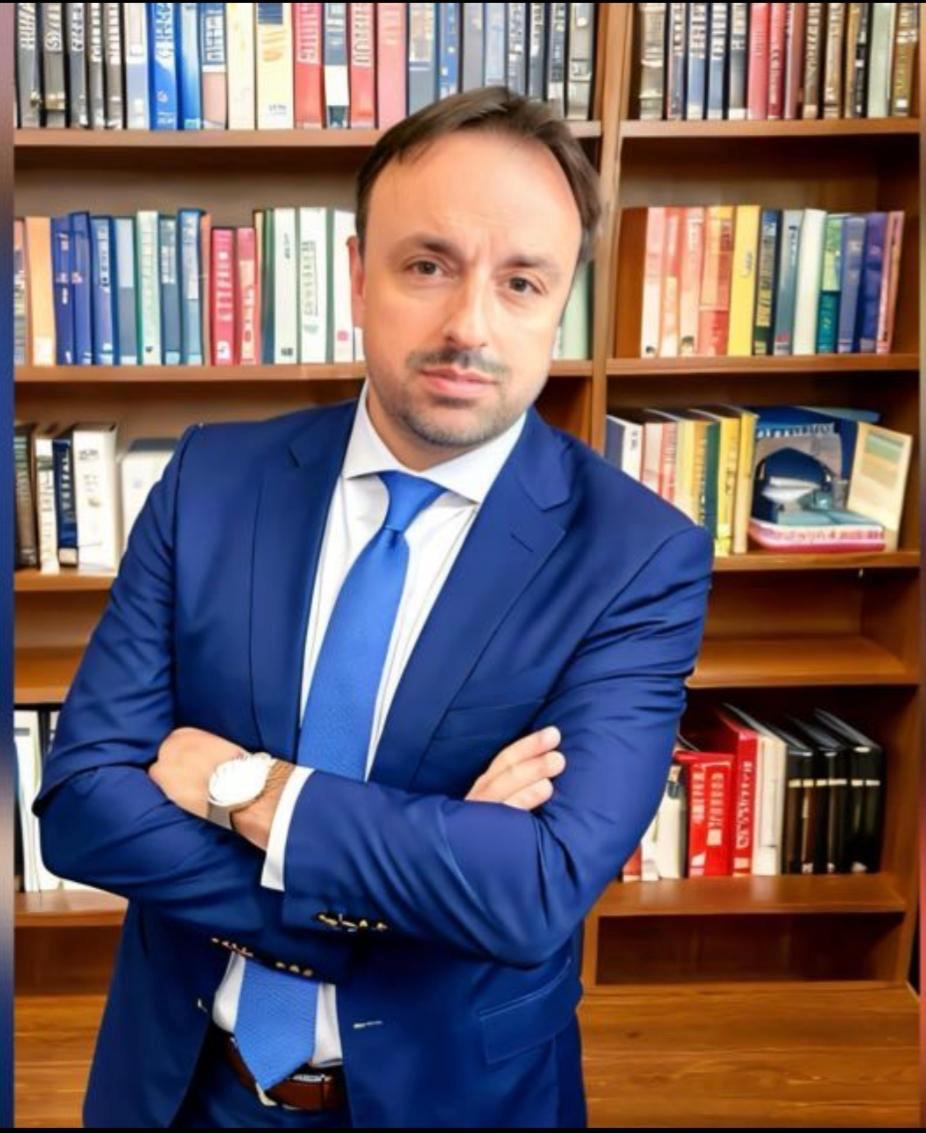
RA Andrea Piacentini
Rechtsdiplom an der Europäischen Universität Rom; seit 2015 in der Anwaltskammer Rom eingetragen. Beratung und Prozessführung im Zivilrecht, mit besonderer Erfahrung in Miet-, Wohnungseigentums-, Haftungs-, Versicherungs-, Forderungseinzugs- und Bankrecht. Gründungspartner von SP Law.
und Online-Betrug.
Online-Betrug und Phishing
Unterstützung für Opfer betrügerischer E-Mails, Websites und Nachrichten, die auf Daten-, Zugangs- oder Gelddiebstahl abzielen.
Betrug in sozialen Medien und Marktplätzen
Schutz bei betrügerischen Käufen, kompromittierten Konten, Romance-Scams und Plattformbetrug.
Betrügerische Banktransaktionen
Unterstützung bei nicht autorisierten Überweisungen, ungewöhnlichen Belastungen, Kartenklonung und Beschwerden bei Kreditinstituten.
Wiedererlangung und Haftung
Einleitung außergerichtlicher und, falls erforderlich, gerichtlicher Verfahren zur Forderungswiedererlangung und zum Verbraucherschutz.
Ein schneller und praxisnaher Ansatz gegen .
Wir handeln umgehend, um Belastungen zu stoppen, den Vorfall zu melden und das Vermögen des Opfers zu schützen.
Wir rekonstruieren die Ereigniskette, die Bankunterlagen und die Kommunikation, um Verantwortlichkeiten festzustellen.
Wir verbinden Rechtsbeistand mit Forderungseinzug und Zivilprozess, einschließlich Vollstreckung.
Wir bearbeiten jeden Fall mit größter Diskretion – oft in einer für das Opfer sehr belastenden Zeit.
Cyber-Betrug, Online-Betrug, Phishing, Opferunterstützung — Italien
SP Law bietet Opfern von Cyber-Betrug, Online-Betrug und Phishing in ganz Italien rechtliche Unterstützung. Wir helfen Privatpersonen und Unternehmen, ihre Rechte zu schützen, betrügerische Belastungen zu melden und Wiedererlangungsverfahren einzuleiten. RA Andrea Piacentini ist Ansprechpartner der Kanzlei für Zivilprozess, Forderungseinzug und Bankrecht im Zusammenhang mit digitalem Betrug. Büros in Rom Vigna Clara und Rom Prati.
Häufige .
Antworten auf häufige Fragen zu nicht autorisierten Banktransaktionen, Online-Betrug und den tatsächlich verfügbaren Rechtsbehelfen.
Von wem kann ich das Geld zurückfordern?
Bei einer nicht autorisierten Banktransaktion ist zunächst der Bank oder dem Zahlungsdienstleister formell zu widersprechen; je nach Sachverhalt kann eine Erstattung geschuldet sein. Wurde das Geld unmittelbar an den Betrüger gezahlt, sind Anzeige und Maßnahmen gegen den Täter erforderlich. Beide Fälle sind rechtlich zu unterscheiden.
Haftet die Bank genauso wie der Betrüger?
Nein. Die Haftung der Bank hängt von der Autorisierung, dem Authentifizierungsverfahren und einer möglichen groben Fahrlässigkeit des Kunden ab. Die Haftung des Betrügers folgt aus der Tat und kann straf- und zivilrechtliche Folgen haben.
Was ist sofort zu tun?
Sofort die Bank kontaktieren, die Transaktion sperren oder zurückrufen lassen, Beweise sichern und bei den zuständigen Behörden Anzeige erstatten.
Sprechen wir über Ihren .
Vereinbaren Sie ein Erstgespräch, um Ihre Möglichkeiten zu prüfen und das Rückforderungsverfahren zu starten.