





مساعدة قانونية لضحايا في إيطاليا.
تتطلب حالات التصيد المصرفي وتبديل شريحة SIM والتحويلات غير المصرح بها والاحتيال العاطفي وعمليات البيع الوهمية عبر الإنترنت والاحتيال على شبكات التواصل استراتيجيات قانونية مختلفة. يساعد SP Law الضحايا على تحديد الوسائل المتاحة فعلياً في كل حالة. عندما يتعلق الملف بعمليات مصرفية غير مصرح بها أو بالتزامات تقع على وسيط مالي، نقيّم الاعتراض لدى البنك والشكوى السابقة، وعند توافر الشروط، الطعن أمام Arbitro Bancario Finanziario (ABF). وفي الحالات الأخرى نقيّم الدعاوى المدنية والخطوات الجنائية التي يمكن أن تكون مفيدة فعلياً لحماية الضحية.
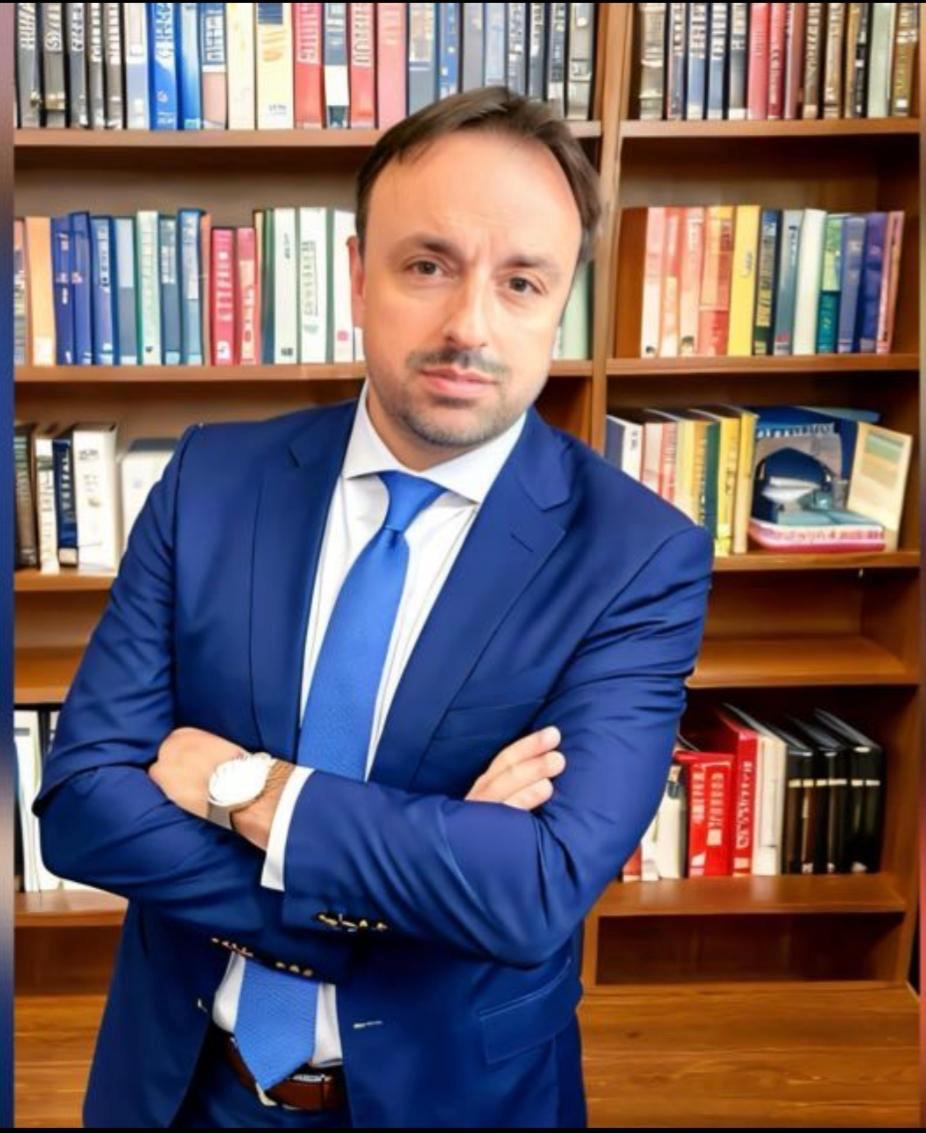
المحامي أندريا بياتشينتيني
حاصل على شهادة الحقوق من الجامعة الأوروبية في روما؛ مسجل في نقابة المحامين في روما منذ عام 2015. يقدّم الاستشارات والتقاضي في القانون المدني، مع خبرة خاصة في الإيجارات، الملكية المشتركة، المسؤولية المدنية، التأمين، تحصيل الديون والقانون المصرفي. وهو شريك مؤسس في SP Law.
الاحتيال والاحتيال عبر الإنترنت.
الاحتيال عبر الإنترنت والتصيد
مساعدة ضحايا الرسائل والمواقع والرسائل الاحتيالية التي تهدف إلى سرقة البيانات أو بيانات الاعتماد أو المال.
الاحتيال على وسائل التواصل والأسواق الإلكترونية
حماية في حالات الشراء الاحتيالي، والحسابات المخترقة، والاحتيال العاطفي، والاحتيال على المنصات الرقمية.
المعاملات المصرفية الاحتيالية
دعم التحويلات غير المصرح بها، والخصومات غير المعتادة، ونسخ البطاقات، والطعون لدى المؤسسات الائتمانية.
التحصيل والمسؤولية
تفعيل الإجراءات الودية وإذا لزم الأمر القضائية لتحصيل الدين وحماية المستهلك.
نهج سريع وعملي ضد .
نتصرف بسرعة لمنع الخصم، والإبلاغ عن الحادث، وحماية أموال الضحية.
نعيد بناء سلسلة الأحداث، والمستندات المصرفية، والاتصالات لتحديد المسؤوليات.
نجمع بين المساعدة القانونية وتحصيل الديون والتقاضي المدني، بما في ذلك إجراءات التنفيذ.
نُدير كل قضية بأقصى درجات التحفظ، وغالباً في وقت يعاني فيه الضحية من ضيق شديد.
الاحتيال الإلكتروني، الاحتيال عبر الإنترنت، التصيد، مساعدة الضحايا — إيطاليا
يقدّم SP Law مساعدة قانونية لضحايا الاحتيال الإلكتروني والاحتيال عبر الإنترنت والتصيد الاحتيالي في جميع أنحاء إيطاليا. نساعد الأفراد والشركات على حماية حقوقهم، والإبلاغ عن الخصومات الاحتيالية، وتفعيل إجراءات التحصيل. المحامي أندريا بياتشينتيني هو مسؤول المكتب عن التقاضي المدني، تحصيل الديون والقانون المصرفي المرتبط بالاحتيال الرقمي. مكاتب في روما فينيا كلارا وروما براتي.
الأسئلة .
إجابات عن أكثر الأسئلة شيوعاً بشأن العمليات المصرفية غير المصرح بها والاحتيال عبر الإنترنت ووسائل الحماية المتاحة فعلياً.
ممن يمكن استرداد الأموال بعد الاحتيال الإلكتروني؟
إذا كانت العملية المصرفية غير مصرح بها، يجب أولاً الاعتراض رسمياً لدى البنك أو مزود خدمة الدفع؛ وقد يكون البنك ملزماً بالرد وفقاً للوقائع. أما إذا سُلّمت الأموال مباشرة إلى المحتال، فيلزم إبلاغ السلطات واتخاذ إجراءات ضد الفاعل، ولا يجوز الخلط بين الحالتين.
هل مسؤولية البنك مثل مسؤولية المحتال؟
لا. تتحدد مسؤولية البنك بحسب كون العملية مصرحاً بها وبحسب إجراءات التحقق ووجود إهمال جسيم من العميل؛ أما مسؤولية المحتال فتتعلق بفعل الاحتيال نفسه وبالملاحقة الجنائية والمدنية.
ماذا أفعل فوراً بعد الاحتيال؟
اتصل بالبنك فوراً لتجميد العملية أو استردادها، واحتفظ بالرسائل ولقطات الشاشة والإيصالات، وقدّم بلاغاً إلى السلطات المختصة.
لنتحدث عن قضيتك في .
احجز استشارة أولى لفهم خياراتك وبدء إجراءات الاسترداد.