





Assistência jurídica para vítimas de em toda a Itália.
O phishing bancário, a fraude por SIM swap, as transferências não autorizadas, os golpes românticos, as falsas vendas online e as burlas nas redes sociais exigem estratégias diferentes. A SP Law ajuda as vítimas a identificar os meios concretamente disponíveis em cada caso. Quando a situação envolve operações bancárias não autorizadas ou deveres de um intermediário financeiro, avaliamos a contestação ao banco, a reclamação prévia e, quando estejam reunidos os requisitos, o recurso ao Arbitro Bancario Finanziario (ABF). Nos demais casos, analisamos as ações civis e as iniciativas de natureza penal que possam ser concretamente úteis à proteção da vítima.
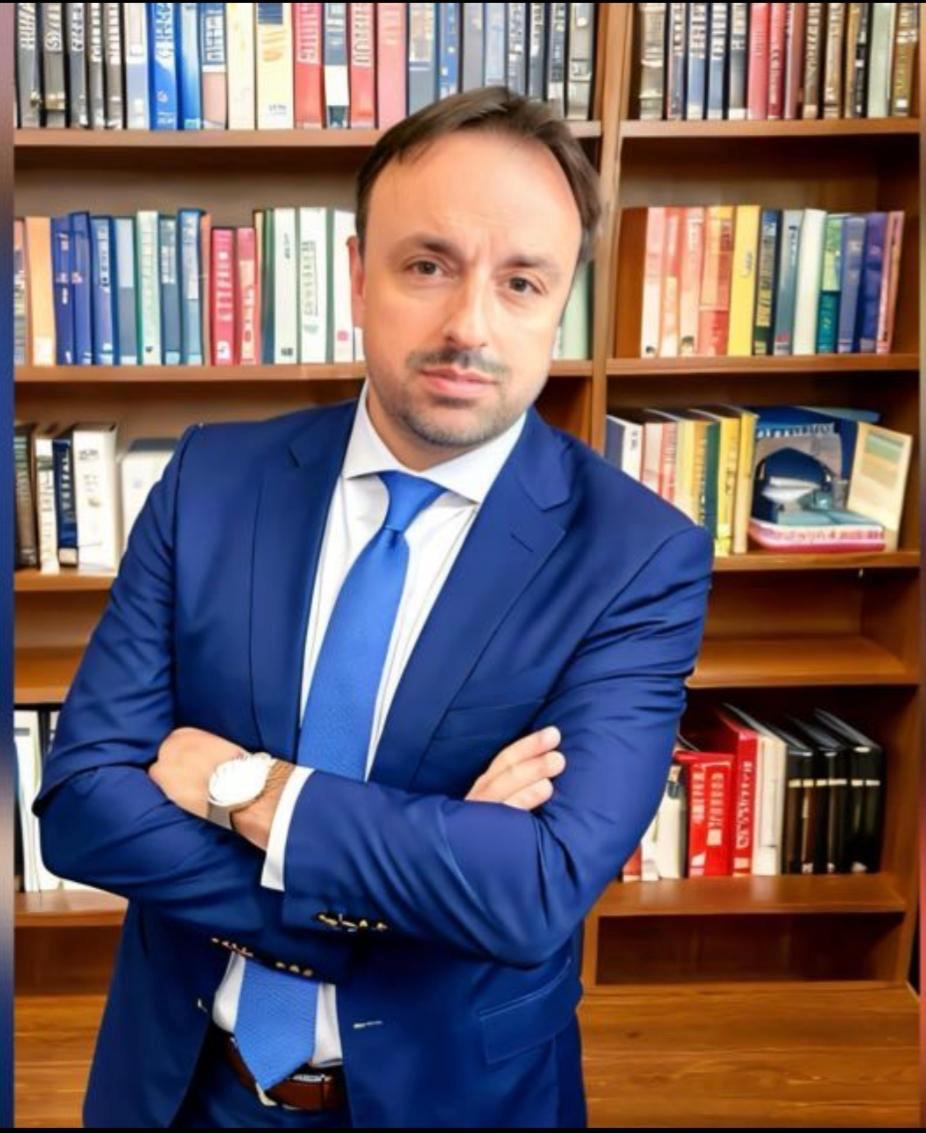
Adv. Andrea Piacentini
Licenciado em Direito pela Università Europea di Roma; inscrito na Ordem dos Advogados de Roma desde 2015. Consultoria e contencioso em direito civil, com particular experiência em arrendamentos, condomínio, responsabilidade civil, seguros, recuperação de créditos e direito bancário. É sócio fundador da SP Law.
Fraudes e burlas online.
Burlas online e phishing
Assistência a vítimas de e-mails, sites e mensagens fraudulentas destinadas ao roubo de dados, credenciais ou dinheiro.
Fraudes em redes sociais e marketplaces
Tutela em caso de compras fraudulentas, contas comprometidas, burlas românticas e scams em plataformas digitais.
Transações bancárias fraudulentas
Apoio para transferências não autorizadas, débitos anómalos, clonagem de cartões e reclamações junto de instituições de crédito.
Recuperação e responsabilidade
Ativação de procedimentos extrajudiciais e, se necessário, judiciais para recuperação do crédito e proteção do consumidor.
Uma abordagem rápida e prática contra as .
Agimos rapidamente para bloquear o débito, denunciar o incidente e proteger o património da vítima.
Reconstruímos a cadeia de eventos, a documentação bancária e as comunicações para identificar responsabilidades.
Combinamos assistência legal com recuperação de créditos e contencioso civil, incluindo em fase executiva.
Gerimos cada caso com a máxima discrição, muitas vezes num momento de grande sofrimento para a vítima.
Fraudes informáticas, burlas online, phishing, assistência a vítimas — Itália
A SP Law oferece assistência jurídica a vítimas de fraudes informáticas, burlas online e phishing em toda a Itália. Ajudamos particulares e empresas a proteger os seus direitos, denunciar débitos fraudulentos e ativar procedimentos de recuperação. O Adv. Andrea Piacentini é o referente do escritório para contencioso civil, recuperação de créditos e direito bancário associados às fraudes digitais. Sedes em Roma Vigna Clara e Roma Prati.
Perguntas .
Respostas às questões mais comuns sobre operações bancárias não autorizadas, burlas online e meios de tutela realmente disponíveis.
A quem posso pedir a recuperação do dinheiro?
Se a operação bancária não foi autorizada, deve ser apresentada uma reclamação formal ao banco ou ao prestador de serviços de pagamento; o banco pode ter dever de reembolso conforme os factos. Se o dinheiro foi entregue diretamente ao burlão, é necessário denunciar e agir contra o autor, sem confundir as duas situações.
A responsabilidade do banco é igual à do burlão?
Não. A responsabilidade do banco depende da autorização da operação, da autenticação e de eventual negligência grave do cliente; a do burlão decorre da própria fraude e pode gerar responsabilidade criminal e civil.
O que fazer imediatamente?
Contacte o banco para bloquear ou recuperar a operação, preserve todas as provas e apresente denúncia às autoridades.
Falemos da sua .
Marque uma primeira consulta para conhecer as suas opções e iniciar o processo de recuperação.